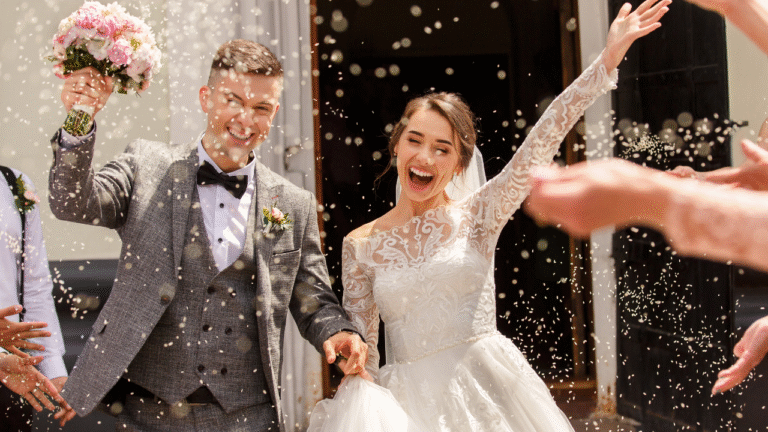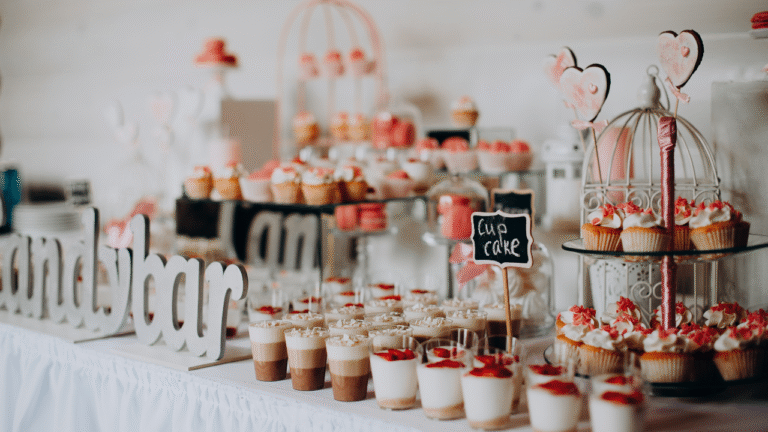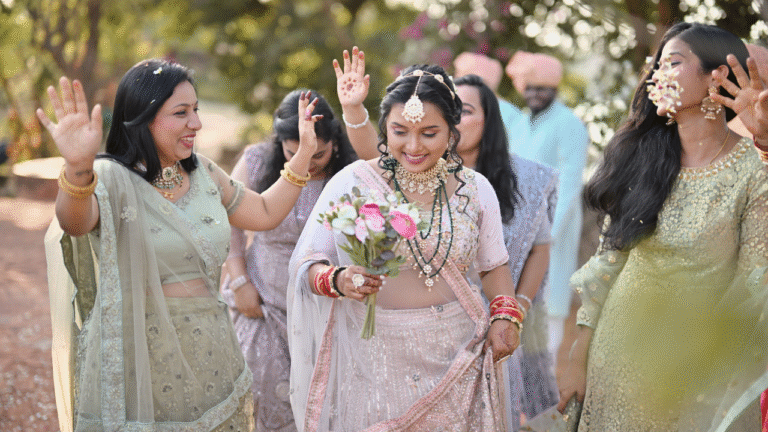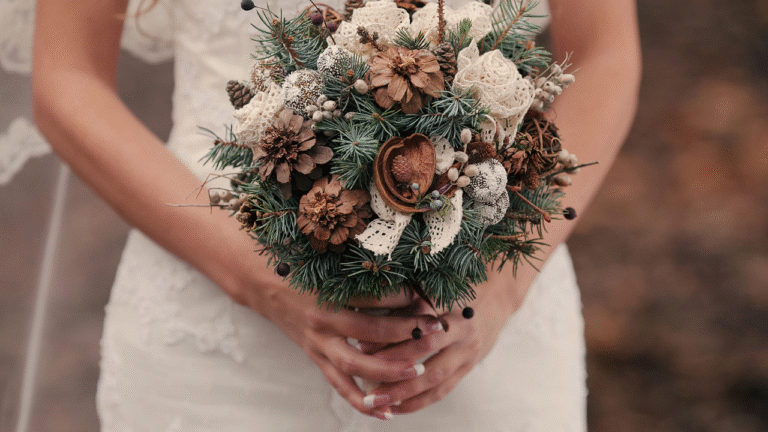
A wedding theme is not just a Pinterest label. It is a design direction that helps every decision feel connected—from florals and linens to lighting, signage, and the overall atmosphere. When a theme is chosen with intention, the wedding feels cohesive and personal. When it is chosen only because it is trending, the design can feel disconnected, even if each element is beautiful on its own.
A strong theme is less about “having a concept” and more about creating a consistent visual language that fits the couple, the venue, and the season.
Start With the Feeling, Not the Aesthetic
The best wedding themes begin with one simple question: how should the wedding feel? Before picking keywords like modern, romantic, or classic, define the emotional tone you want guests to experience from the moment they arrive.
Some weddings feel warm and intimate, with soft lighting and relaxed flow. Others feel elegant and formal, where every detail is polished and structured. Some couples want a light, airy atmosphere that feels fresh and effortless, while others prefer a bold, dramatic mood with deeper tones and strong contrast. When you define the feeling first, the theme becomes clearer and easier to execute.
Let the Venue Guide the Theme
Every venue already brings its own personality. Architecture, ceiling height, wall color, natural light, and layout all influence what will look natural in the space. Instead of forcing a theme into a venue, the best approach is to treat the venue as a design partner.
A classic ballroom usually supports timeless, formal styling because the space already suggests elegance. A modern industrial venue tends to pair naturally with clean lines, minimal styling, and editorial choices. A garden setting often feels best with organic textures and softer design decisions that match nature. A waterfront or coastal venue typically benefits from lighter palettes, breathable fabrics, and a relaxed sophistication that complements the surroundings.
Choose a Theme That Translates Into Real Decisions
A theme must be actionable. If it cannot guide decisions, it will not create cohesion. A practical theme gives you a framework for choosing colors, materials, florals, furniture, and lighting without guessing each time.
For example, “romantic garden” usually translates into softer color palettes, floral-forward arrangements, and flowing textures. “Modern minimalist” tends to translate into fewer, stronger design elements, clean typography, and intentional negative space. “Old money classic” often translates into structured florals, refined linens, traditional table settings, and subtle luxury details. The theme works when it consistently shapes choices across the full wedding experience.
Use a Simple Theme Formula
One of the easiest ways to choose a theme is to build it with three parts: style, setting, and accent. This keeps your theme specific enough to execute but flexible enough to feel personal.
Style defines the overall design language, such as modern, classic, editorial, romantic, or minimalist. Setting reflects the environment, such as garden, rooftop, ballroom, estate, or coastal. Accent adds personality through a focused detail, such as “with black-tie details,” “with warm candlelight,” or “with vintage-inspired florals.” This formula prevents themes from becoming vague and helps align everyone involved in the design.
Balance Trend and Timelessness
Trends are not the problem. The problem is using them as the foundation. Wedding photos last forever, and a theme that is built entirely on a trend can feel dated faster than expected.
A better approach is to build the theme on timeless structure and use trends as accents. That might mean keeping the palette elegant and neutral, then adding one modern detail like a statement floral installation or an updated typography style on signage. This keeps the design current without sacrificing longevity.
Align Your Theme With the Guest Experience
A wedding theme is not only visual. It should also support how the event feels to guests. The same theme can be executed in a way that feels cold and overly structured or warm and welcoming. The difference is in the flow.
If the wedding includes a lot of movement between spaces, the theme should carry consistently through lighting, signage, and key visual moments so guests feel guided. If the event is intimate, the theme should emphasize comfort, conversation, and cozy atmosphere. When the theme supports the guest experience, the design feels more natural and memorable.
Avoid the Two Most Common Theme Mistakes
The first mistake is choosing too many themes at once. Mixing “boho,” “glam,” “rustic,” and “modern” usually creates confusion instead of personality. A wedding can have contrast, but it needs one clear direction.
The second mistake is choosing a theme that looks good online but doesn’t fit the real venue, season, or logistics. A theme should be realistic to execute in the space you have, with the lighting conditions and layout you’ll actually be working with.
A Wedding Theme Should Feel Like the Couple, Not a Template
There are no mandatory wedding themes. The best themes reflect the couple’s identity and priorities. Some couples love classic elegance, others want modern simplicity, and others want a celebration that feels creative and unexpected.
A theme should not feel prescribed. It should feel personal, cohesive, and aligned with the kind of day you want to create.