In an Indian wedding, every ritual carries meaning, and every space is intentional. Among all ceremonial elements, the mandap holds a central and irreplaceable role. More than a decorative structure, the mandap is the sacred space where vows are exchanged, traditions are honored, and the spiritual foundation of the marriage is established.
Understanding the importance of the mandap requires looking beyond its visual beauty. Its design, placement, and symbolism are deeply rooted in tradition, while its execution reflects the couple’s identity, values, and cultural heritage.
What Is a Mandap and Why It Matters
The mandap is a ceremonial canopy under which the core wedding rituals take place. It represents a sacred enclosure — a space set apart from the rest of the celebration — where the union of two individuals is sanctified in the presence of family, community, and divine witnesses.
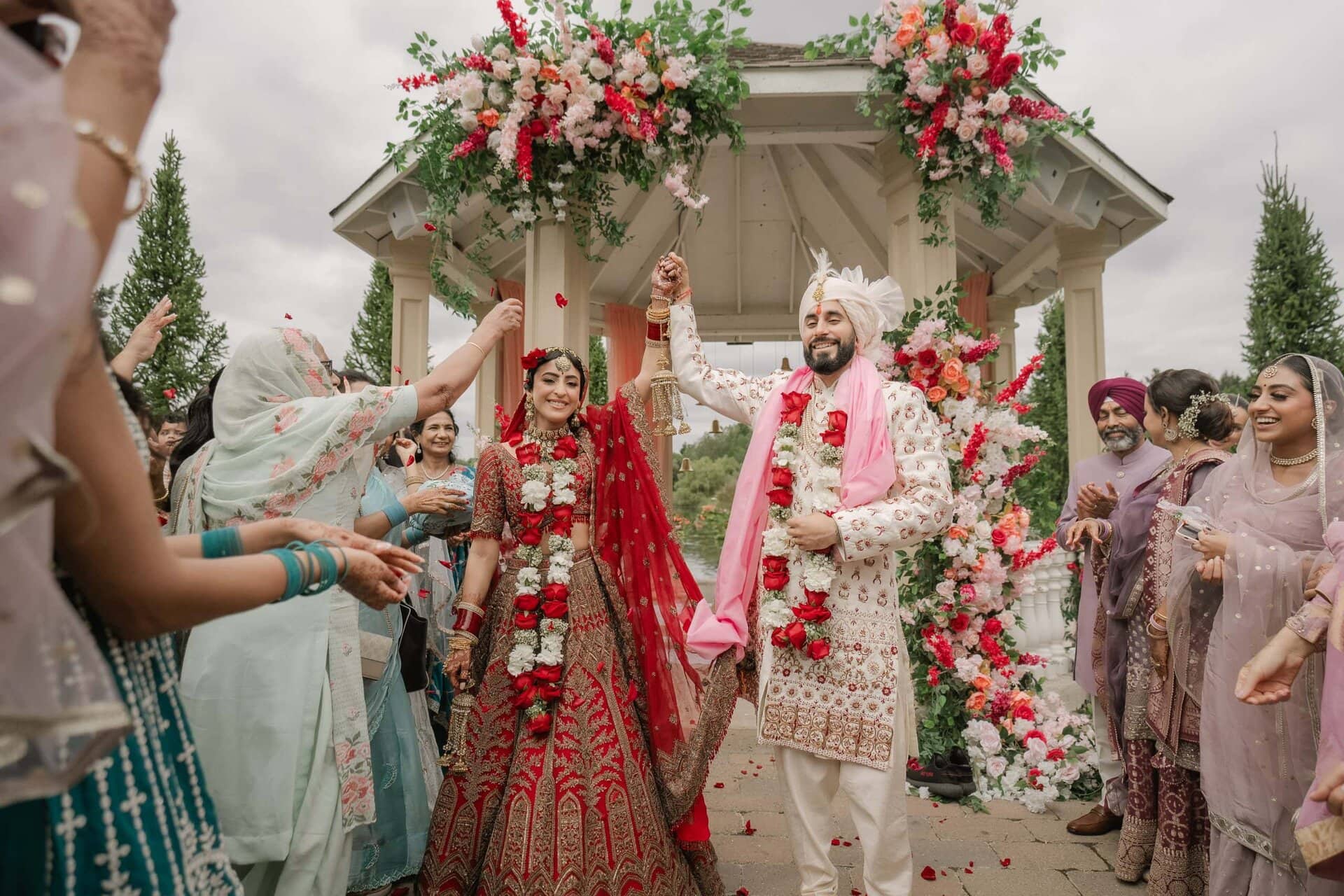
Traditionally, the mandap is constructed with four pillars, symbolizing stability and balance, and a covered roof, representing protection and unity. Each element reinforces the idea that marriage is not only a personal commitment but also a spiritual and communal bond.
Because the most significant moments of the ceremony happen within this space, the mandap becomes the emotional and visual focal point of the entire wedding.
Cultural and Spiritual Significance of the Mandap
In Hindu tradition, the mandap is considered a sacred altar. The rituals performed beneath it — including the exchange of vows and offerings — are believed to bind the couple spiritually.
The structure itself often incorporates symbolic materials:
- Flowers to represent purity and new beginnings
- Natural elements to honor harmony with nature
- Sacred colors associated with prosperity, love, and devotion
The mandap is not merely observed; it is experienced. Its presence establishes reverence, guiding the tone of the ceremony and grounding the celebration in tradition.
The Mandap as the Visual Center of the Wedding
From a design perspective, the mandap serves as the visual anchor of the event. All other decorative elements — aisle design, seating arrangements, floral installations, and lighting — are planned in relation to it.
A well-designed mandap creates:
- A clear focal point for guests
- A cohesive aesthetic narrative
- A timeless backdrop for photographs and memories
Because it appears in nearly every ceremonial image, the mandap’s design has a lasting impact on how the wedding is remembered and documented.
Design Elements That Define a Meaningful Mandap
Structure and Scale
The proportions of the mandap must balance intimacy and presence. It should feel sacred and enclosed without appearing restrictive. Scale is essential — a mandap that is too small diminishes its importance, while one that is oversized can overwhelm the ceremony.
Materials and Textures
Modern mandap design often blends tradition with contemporary craftsmanship. Wood, fabric draping, florals, and metallic accents are combined thoughtfully to reflect both heritage and personal style.
The choice of materials should respect cultural symbolism while ensuring structural integrity and visual harmony.
Color Palette and Symbolism
Color selection is never arbitrary. Traditional palettes often include reds, golds, and whites, while modern interpretations may introduce softer tones or custom combinations that reflect the couple’s vision.
Regardless of style, colors should complement ceremonial attire and enhance the emotional tone of the ritual.
Customization and Personal Expression
While tradition provides the foundation, personalization gives the mandap its soul. Custom design allows couples to honor their heritage while expressing individuality.
Personalized mandaps may incorporate:
- Family heirlooms or cultural motifs
- Regional design influences
- Modern interpretations of traditional patterns
Customization ensures the mandap feels authentic rather than generic, preserving cultural integrity while celebrating personal identity.
The Mandap as a Bridge Between Tradition and Modern Design
Contemporary Indian weddings often take place in diverse venues — from outdoor gardens to luxury ballrooms. Mandap design must adapt seamlessly to these environments.
A thoughtfully designed mandap respects ritual requirements while integrating with modern event spaces. This balance allows tradition to remain central, even as the celebration evolves in form and scale.
Why Professional Design Matters
Designing a mandap requires cultural knowledge, technical expertise, and aesthetic sensitivity. Beyond visual appeal, it must accommodate rituals, movement, and ceremonial flow.
Professional execution ensures:
- Cultural accuracy
- Structural safety
- Flawless setup and timing
- Visual coherence with the overall wedding design
The mandap is not an element where improvisation belongs. Its importance demands precision and respect.
More Than a Structure
The mandap is the heart of an Indian wedding ceremony. It is where tradition meets intention, and where design becomes a vessel for meaning.
When thoughtfully planned and expertly designed, the mandap transforms from a physical structure into a sacred space — one that honors heritage, supports ritual, and creates a lasting emotional imprint for everyone present.